
A tour is often the moment a big decision starts to feel real. A pamphlet can tell you what a community offers, but walking through the front door tells you how it feels to be there.
For families considering assisted living for a parent, the in-person visit is where impressions solidify into answers. Roughly one million older adults live in assisted living communities across the country, according to the National Center for Assisted Living. Yet no two feel the same, and the right questions are what reveal the differences.
Tours can move quickly, and it’s not uncommon to leave with a warm feeling but few concrete details. Walking in with a senior living tour checklist makes it easier to compare communities on the details that shape everyday life.
Before You Visit: Getting the Most From a Tour
A little preparation makes a visit far more useful. A few simple steps help you look past the polished first impression and gather what you actually need:
- Bring your parent along if you can, so you can gauge their comfort and hear their reactions firsthand.
- Schedule the tour during an active time of day, like lunch or an afternoon activity, to see residents and staff in their normal rhythm.
- Take notes on your phone or a notepad, since details blur together after a second or third tour.
- Plan to visit more than once, ideally at different times, if a community feels promising.
Questions to Ask About Care & Staffing
The heart of any community is the care it provides and the people who provide it. This is what shapes a resident’s daily experience most, so it’s worth starting here.
Understanding the Level of Care
Communities differ in the care they offer. Some provide several levels under one roof, while others focus on a single level of assisted living to keep the experience consistent for every resident.
It helps to understand a community’s approach and how it handles changing needs. A few useful questions to ask an assisted living facility:
- What help is included with daily activities such as bathing, dressing, and mobility?
- How is medication management handled, and by whom?
- How are a resident’s needs assessed before move-in, and how often is that revisited?
- Who coordinates with a resident’s outside doctors and pharmacies?
Getting to Know the Caregiving Team
Staffing shapes daily life more than almost anything else. A steady, familiar team gets to know residents personally and notices small changes early.
- How many caregivers are on hand during the day and overnight?
- How quickly does someone respond when a resident needs help?
- How long do staff members typically stay with the community?
- How does the team learn each resident’s routines and preferences?
Questions to Ask About Daily Life

I am text block. Click edit button to change this text. Lorem ipsum dolor sit amet, consectetur adipiscing elit. Ut elit tellus, luctus nec ullamcorper mattis, pulvinar dapibus leo.
Beyond care, a community becomes home through its everyday moments. Meals, activities, and small routines reveal whether a parent will feel content there.
Meals & Dining
Food is a daily pleasure and a real indicator of quality of life. If you can, stay for a meal or visit the dining room while residents are eating.
- How many meals are served each day, and can residents choose from a menu?
- How are dietary needs and preferences accommodated?
- Can family members join for a meal when they visit?
- Are snacks and drinks available throughout the day?
Activities & Social Connection
A full, varied calendar signals a community that values engagement. Connection often makes the biggest difference in how a new resident settles in.
- What activities and events are offered each week?
- How are residents encouraged to take part?
- Are outings and scheduled transportation available?
- How does the team help a new resident build friendships?
Questions to Ask About Safety & Health
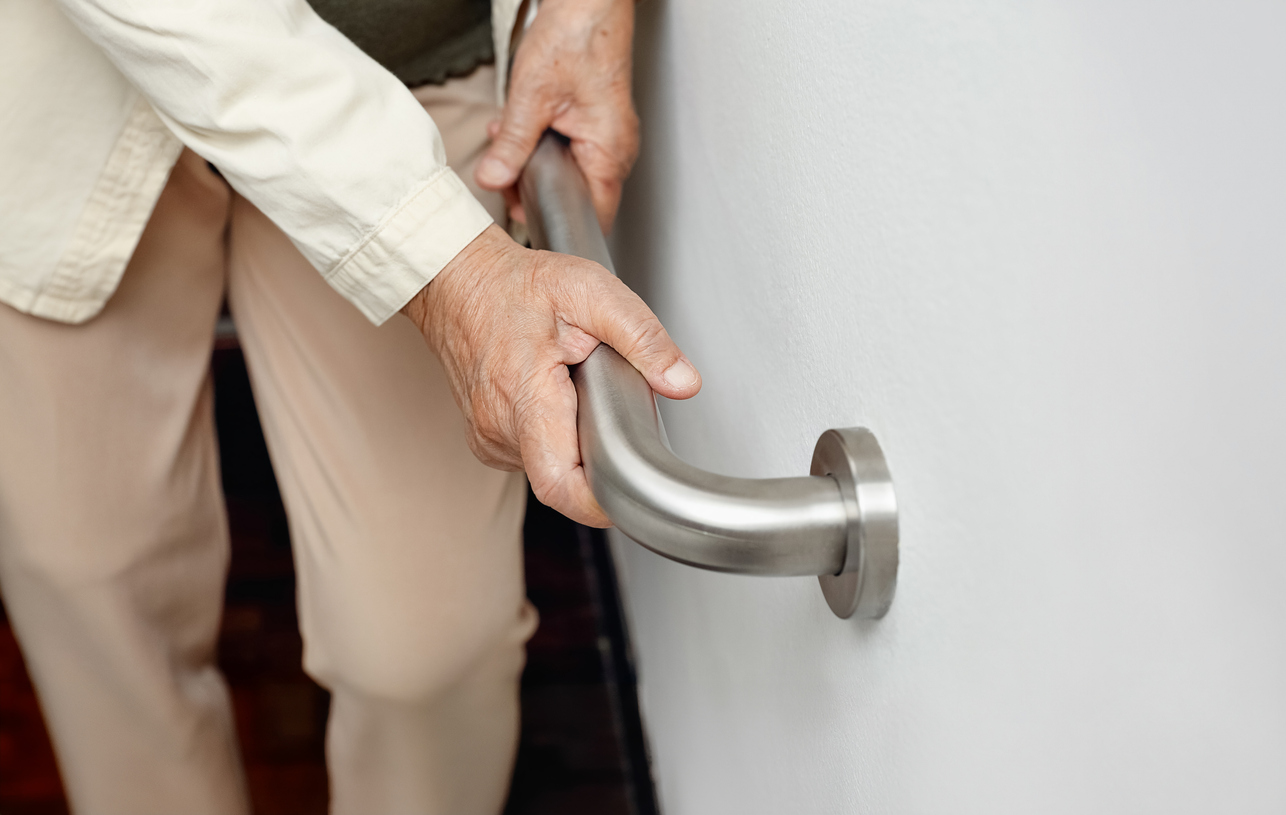
Safety is a top concern for most families, and for good reason. Falls are the leading cause of injury for adults 65 and older, and more than one in four experience a fall each year, according to the CDC. Knowing how a community prevents and responds to emergencies brings real peace of mind.
- How does staff respond to a fall or medical concern, and what safeguards are in place overnight?
- What safety features are built into the apartments and common areas?
- How is the community secured, and how is entry managed?
- How and when would you be kept informed about your parents’ well-being?
Questions to Ask About Costs & What’s Included
Money is one of the biggest concerns for most families, so it’s important to ask about it directly. While the Alabama Medicaid waiver program may cover some aspects of senior care, neither Medicare nor Medicaid covers room-and-board expenses for assisted living, so many families rely on private funds to start.
That doesn’t mean paying out of pocket is the only path, though. Long-term care insurance, veterans benefits, and proceeds from selling a home are among the resources families often draw on, and many communities can point you toward payment options you may not know about. Pricing structures also vary widely from one community to the next, so it helps to compare carefully.
- What’s included in the base rate, and what carries an additional charge?
- Are short-term or respite stays available to get to know the community before committing to long-term care?
- How are rate changes handled over time?
- What does the agreement include, and what are the move-out terms?
Rather than relying on a general figure, ask each community directly for current pricing so you can compare accurate numbers side by side.
What to Notice During the Walkthrough
Some of the most telling information comes from simply paying attention. As you walk through, notice the details a brochure can’t capture. This is where knowing what to look for in assisted living really pays off:
- Does the community feel clean, bright, and cared for?
- Do staff greet residents by name and interact with genuine warmth?
- Do residents seem engaged, comfortable, and at ease?
- Can you picture your parent in the common areas, courtyards, and apartments?
What you observe often confirms, or quietly contradicts, the answers you hear.
Trusting What the Visit Tells You
A good tour leaves you with more than a brochure. It gives you a feel for the people, the pace, and the warmth of a place, along with the concrete details that let you compare your options with real confidence.
Take your notes home, talk them over as a family, and give weight to how your parent felt as they walked through the door. Often, the right choice becomes obvious when the questions are answered openly, and the place simply feels right.
See What a Personal Community Feels Like at Bailey Cove in Huntsville, AL
The best way to know whether a community is the right fit is to experience it in person. Bailey Cove Assisted Living is a smaller, 49-apartment community on Bailey Cove Road in Huntsville, where one dedicated level of assisted living means residents and families feel known from the very first visit.
Whether you’re nearby in Jones Valley or driving in from another part of Huntsville, we’re a short trip from Memorial Parkway and glad to show you what daily life looks like in person.
Schedule a visit or call us at (256) 801-2221 to tour Bailey Cove and see if it feels like home.